13 Nov 2026
Algorithmic Timing of Deposit Incentives Across Portable Live Host Card Simulations

Algorithmic timing of deposit incentives in portable live host card simulations refers to the automated systems that determine when and how bonus offers appear on mobile platforms featuring real-time card games with live dealers, and these systems rely on data streams from user sessions to synchronize rewards with gameplay patterns. Platforms process signals such as session duration, card outcome sequences, and prior deposit intervals before triggering an offer, which creates a sequence where incentives align with moments of elevated engagement in games like blackjack or baccarat. Observers note that the approach integrates device telemetry with behavioral metrics, allowing the software to adjust timing windows without manual intervention from operators.
Core Components of the Algorithmic Framework
Portable live host card simulations run on applications that stream dealer actions to user devices while maintaining separate modules for financial transactions and reward distribution, and the algorithmic layer sits between these modules to evaluate eligibility in real time. Data points include average bet size per hand, frequency of live table switches, and mobile network stability indicators, which together feed into decision trees that calculate optimal moments for presenting deposit bonuses. Studies from academic institutions have examined how such trees reduce latency between a qualifying action and the incentive display, with one analysis from the University of Las Vegas showing synchronization accuracy rates above 92 percent across sampled sessions in 2025.
Timing parameters often incorporate seasonal variables, and in November 2026 platform logs indicated increased offer frequency during evening hours in multiple time zones as user volumes rose after standard work periods. The algorithms apply weighting factors to these variables so that deposit prompts appear after sequences of consecutive hands rather than immediately following a single win or loss, which maintains continuity within the live host environment. Engineers configure these weights through iterative testing on anonymized datasets that span thousands of active accounts.
Cross-Platform Integration and Data Flows
Operators connect the incentive timing systems to multiple device types through unified APIs that normalize input from iOS and Android environments, and this normalization allows consistent reward delivery whether users access simulations on tablets or smartphones. Live host card feeds deliver continuous metadata about table occupancy and dealer rotation, which the algorithm cross-references with deposit history to avoid interrupting high-stakes rounds. Industry reports from the Canadian Gaming Association document that such cross-referencing has contributed to measurable shifts in average session length when incentives are deployed at calculated intervals rather than fixed schedules.
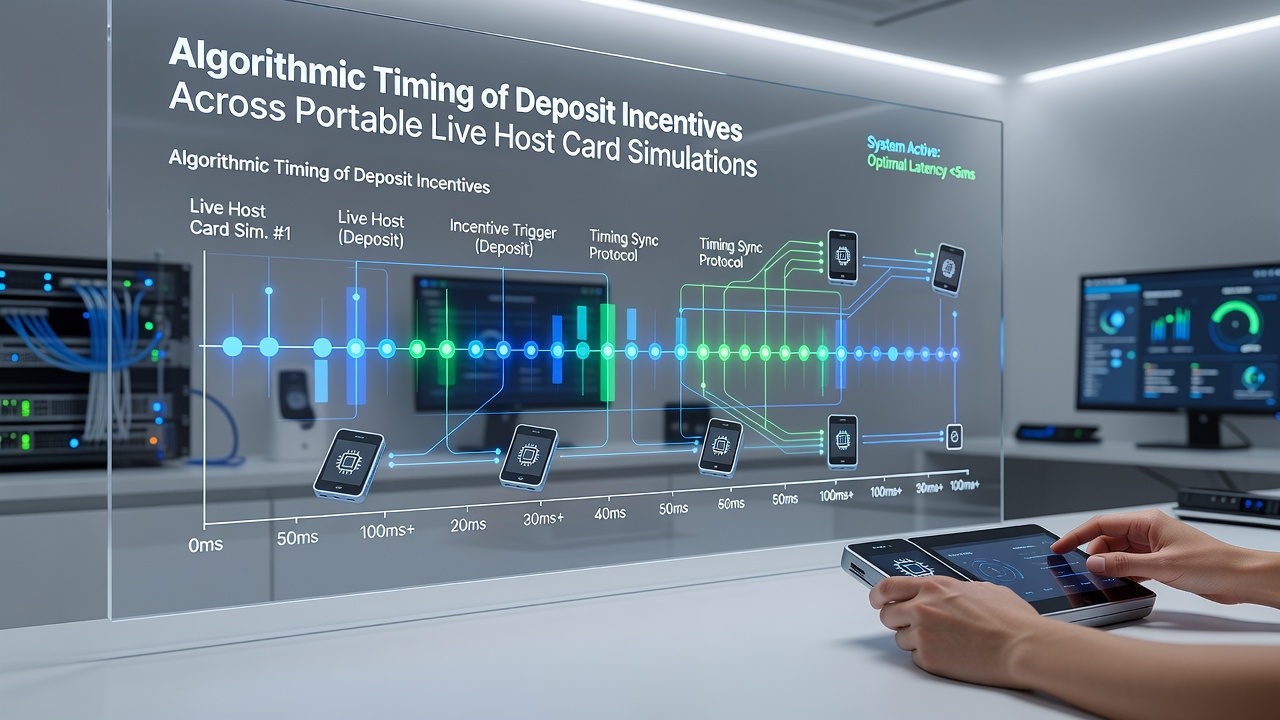
Real-time adjustments occur when network conditions change or when a user initiates a table change, prompting the system to recalculate the next eligible window within milliseconds. Those who manage these platforms report that the recalculations draw on cached user profiles stored locally on the device to minimize server calls during peak traffic periods. The result is a fluid integration where deposit incentives surface as part of the natural rhythm of the simulation instead of as external interruptions.
Regulatory and Technical Considerations
Regulatory frameworks in several jurisdictions require transparency around algorithmic decision-making for player incentives, and authorities such as the Malta Gaming Authority have issued guidelines that mandate documentation of timing logic for audit purposes. Compliance teams maintain logs that record each incentive trigger alongside the input variables used, which enables verification that offers do not target vulnerable account segments. Technical audits conducted in 2026 confirmed that encryption protocols protect the data flows between live host servers and mobile incentive modules during transmission.
Developers implement fallback mechanisms that default to conservative timing windows when connectivity drops below defined thresholds, and these mechanisms prevent incentive delivery during unstable sessions. Documentation from the Australian Communications and Media Authority outlines similar requirements for maintaining audit trails across borderless mobile platforms, emphasizing the need for reproducible timing sequences that regulators can review on request.
Conclusion
Algorithmic timing of deposit incentives continues to evolve alongside advances in mobile streaming technology and live host card simulations, with current implementations focusing on precise synchronization of reward delivery and user activity metrics. Data collected through November 2026 illustrates how these systems process multiple variables in parallel to generate timing decisions that fit within ongoing gameplay. Continued refinement of the underlying models depends on aggregated session records and regulatory feedback from diverse jurisdictions, which together shape the operational standards applied across portable platforms.