30 Oct 2026
Mechanics Behind Reward Cycles Connecting Accumulating Slot Prizes With Interactive Dealer Sessions in App-Based Platforms
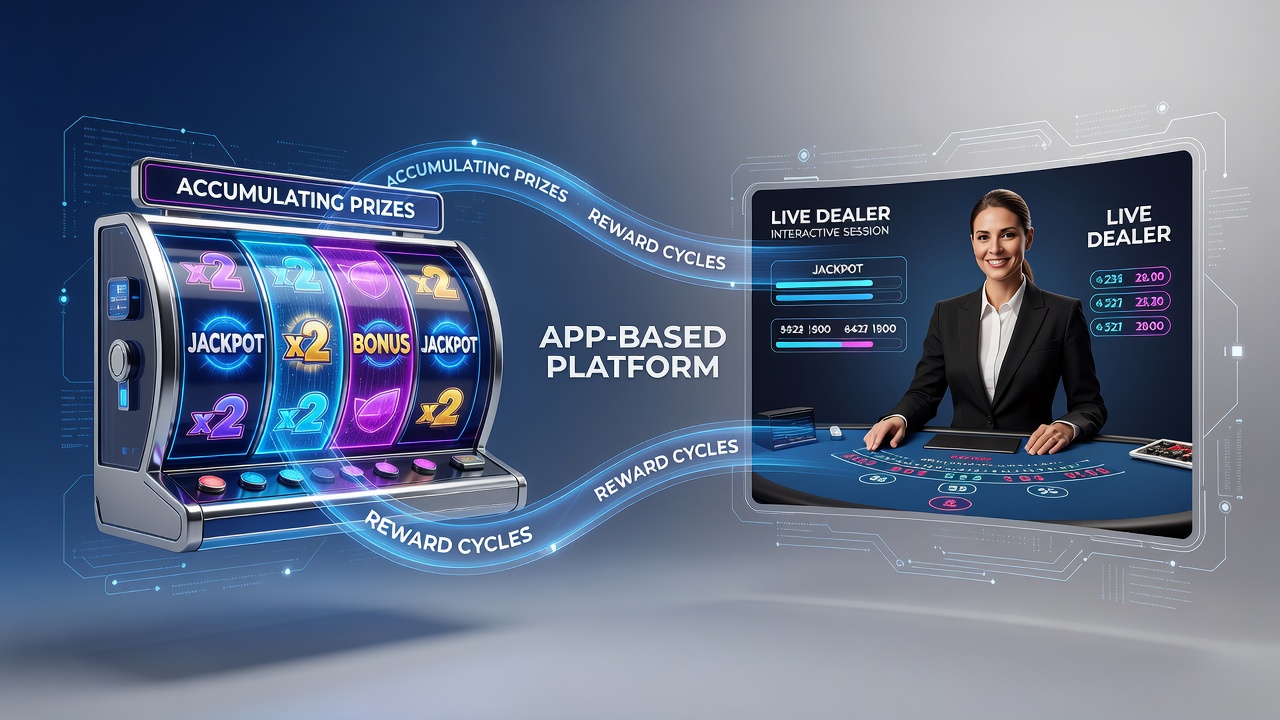
App-based platforms integrate slot prize accumulation directly into live dealer sessions through shared reward ledgers that track player activity across game types, and these systems rely on centralized databases that update in real time whenever users complete slot spins or table rounds. Developers design the cycles so that progressive meters in slots feed into multiplier pools available during blackjack or roulette sessions, while algorithms allocate portions of each bet to a common bonus reservoir that activates once thresholds are met.
Core Components of Accumulation Systems
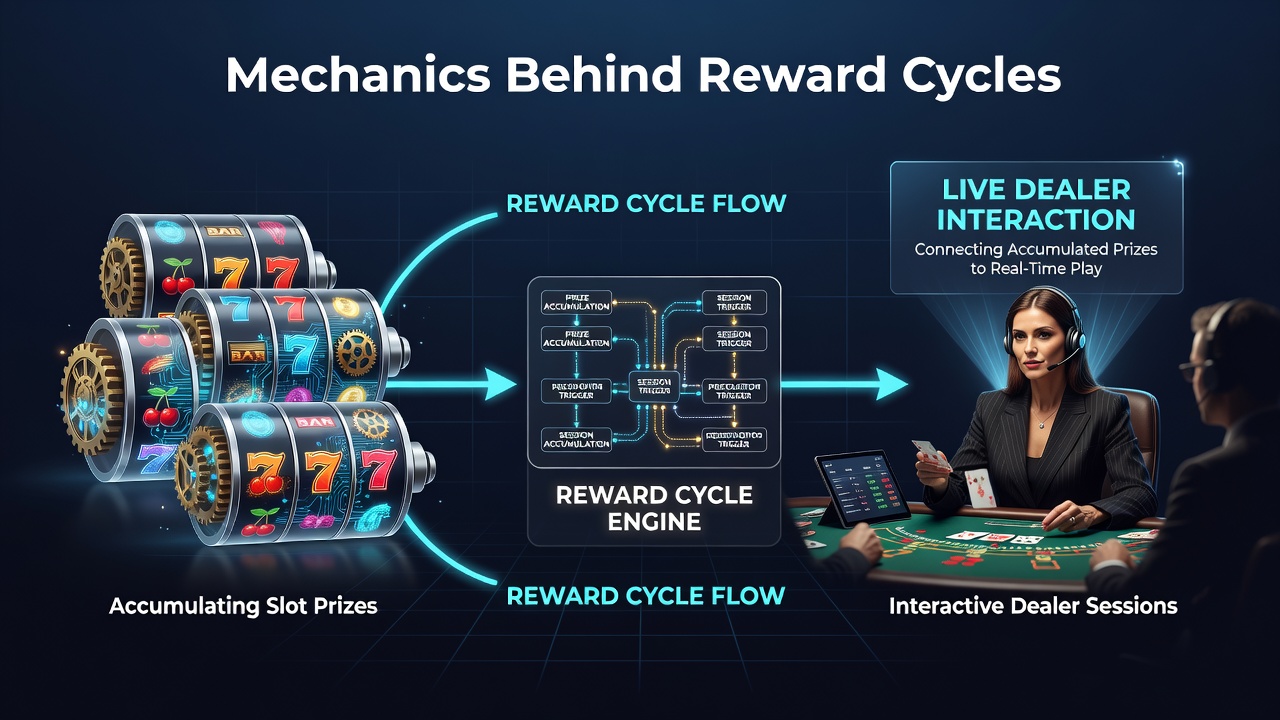
Slot mechanics in these environments use random number generators to determine base payouts, yet the accumulating prizes form when a percentage of every wager contributes to escalating jackpots that carry over between sessions. Observers note that platforms synchronize these meters with player accounts so that live dealer interactions can draw from the same pool, and this linkage occurs through API connections that pull current jackpot values into the streaming interface without interrupting the game flow. Data shows that contribution rates typically range from 1 to 5 percent per spin, and the totals display on both slot reels and dealer tables to maintain continuity.
Interactive dealer sessions incorporate the accumulated values by triggering bonus rounds when slot-derived meters reach preset levels, and software engineers program these triggers to align with specific table outcomes such as consecutive wins or particular card combinations. The process maintains fairness through independent RNG verification for each game segment, while the reward cycle itself operates on a separate tracking layer that records cross-game progress. Researchers have documented how these layers prevent direct interference between slot results and dealer card shuffles, yet they allow the bonus pool to influence payout multipliers during live play.
Integration Techniques in Mobile Applications
Mobile apps achieve the connection by employing unified user profiles that store both slot accumulation data and dealer session histories, and these profiles update across devices through cloud synchronization that preserves meter values even when users switch between game modes. Platform operators implement event listeners that detect when a slot jackpot segment completes, then push notifications or in-app prompts inviting participation in a linked dealer round where the accumulated prize can apply as an enhanced payout option. Studies indicate that such prompts increase session duration because players see immediate value in continuing rather than starting fresh in an unrelated title.
Technical architecture often includes microservices that handle prize distribution separately from core game engines, and this separation allows updates to reward rules without altering the underlying slot or dealer software. In October 2026 several major platforms rolled out enhanced versions of these microservices that added regional jackpot sharing across multiple apps, and figures from those deployments reveal higher cross-game participation rates after the changes took effect. The updates also introduced visual trackers that display accumulating totals on the dealer screen itself, giving users constant visibility into potential bonuses without leaving the live stream.
Player Progression and Threshold Mechanics
Progression systems assign tiered rewards that scale with the amount accumulated from slots, and players advance through levels that unlock larger multipliers for use exclusively in dealer sessions. Each tier requires meeting both a monetary contribution target and a minimum number of completed game rounds, while the platform logs every qualifying action to calculate eligibility automatically. Those who reach higher tiers receive priority access to exclusive dealer tables where the bonus cycles operate at accelerated rates, and this structure encourages sustained engagement across both game categories.
Thresholds reset on a weekly or monthly schedule depending on the platform, yet accumulated values that exceed the highest tier carry forward as personal bonuses that activate on demand during future dealer sessions. Observers have recorded that this carry-forward feature reduces player churn because individuals retain tangible progress rather than losing all momentum at the end of a cycle. Data from platform analytics further shows that the average time between slot sessions and dealer sessions shortens when carry-forward mechanics are active, indicating tighter integration between the two formats.
Regulatory and Technical Oversight
Regulatory bodies monitor these integrated systems to ensure that prize allocation remains transparent and that players receive accurate information about how slot contributions translate into dealer bonuses. The Alcohol and Gaming Commission of Ontario publishes guidelines that require clear disclosure of contribution percentages and reset conditions, and operators must submit audit reports demonstrating that cross-game transfers comply with fairness standards. Alcohol and Gaming Commission of Ontario reports detail testing procedures used to verify RNG independence while confirming that bonus pools draw only from designated revenue streams.
Additional oversight comes from research institutions such as the Victorian Responsible Gambling Foundation in Australia, which examines behavioral data related to linked reward cycles and issues periodic summaries on participation patterns. Victorian Responsible Gambling Foundation findings indicate that transparent display of accumulation meters correlates with more predictable play patterns across app users. Platforms incorporate these insights by adjusting notification frequency and bonus visibility to align with established recommendations.
Conclusion
The mechanics that connect accumulating slot prizes with interactive dealer sessions rely on synchronized databases, tiered progression rules, and independent verification layers that together create continuous reward pathways within app-based platforms. These elements operate through real-time updates and microservice architecture that keep prize values consistent across game types while preserving the integrity of each individual RNG process. As platforms continue to refine these cycles, the underlying systems maintain focus on accurate tracking and regulatory compliance to support sustained cross-game activity.